Information technology company
Software built to fit the shape of your business.
HORSE MEAT DISCO LTD designs and engineers custom software, web applications and cloud infrastructure, then integrates them with the systems you already run.
Introduction
An engineering practice for organisations that have outgrown off-the-shelf tools.
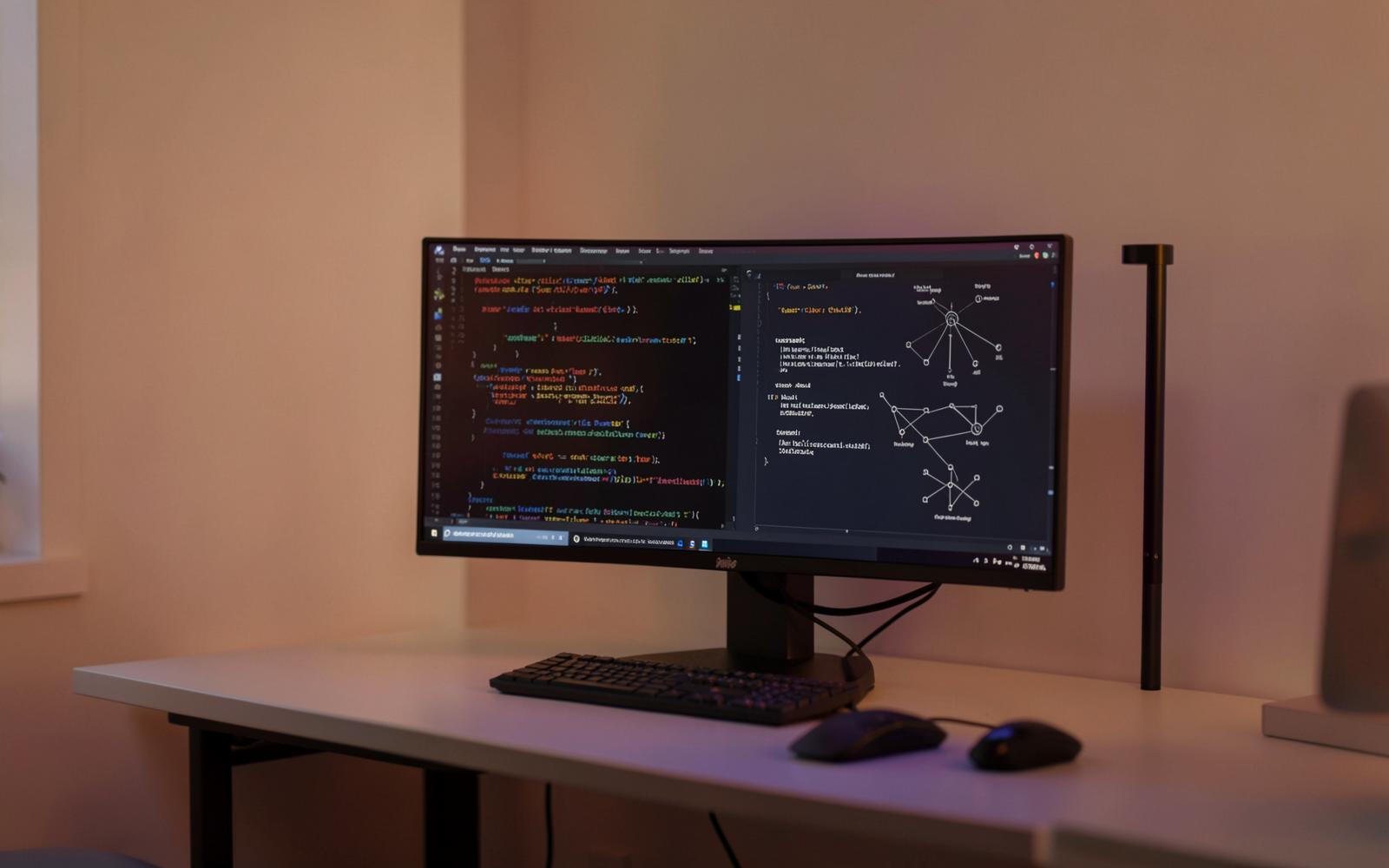
Generic software forces a business to adapt to it. We work the other way round: understanding how work actually happens, then building systems that support it precisely — no more, no less.
Our capabilities span custom application development, web engineering, cloud infrastructure, integration and interface design. Each engagement is scoped in writing, delivered in visible increments and handed over with documentation and a plan for ongoing care.
Core capabilities
Six connected disciplines, offered individually or as a complete delivery team.
- 01
Custom software
Purpose-built systems that model how a business actually works.
- 02
Web applications
Browser-based products engineered for speed, clarity and longevity.
- 03
Cloud & infrastructure
Environments designed to be observable, reproducible and cost-aware.
- 04
Systems integration
Connecting existing tools so data flows without manual re-entry.
- 05
UX & interface design
Interfaces shaped around real tasks, not decorative patterns.
- 06
QA & maintenance
Testing, monitoring and ongoing care once software is live.

Custom software development
Systems that model your operations, not a vendor's assumptions.
We build internal platforms, line-of-business applications and data tooling from a clear specification of the workflows they must support. Domain rules live in one well-tested place, so the system stays correct as the business changes.
- Operational back-office systems
- Data pipelines and reporting
- Rule engines and calculators
- Replacement of spreadsheet processes
Web application engineering
Fast in the browser. Dependable behind it.
Architecture
Server-rendered where content matters, interactive where tasks demand it. We choose rendering strategies per screen rather than by default.
Performance
Budgets for load time and interaction latency are set at the start and measured throughout, on real devices and real networks.
Accessibility
Semantic markup, keyboard operability and sufficient contrast are treated as functional requirements, not final polish.
Longevity
Boring, well-supported technology choices and thorough documentation keep the product maintainable for years.

Cloud and infrastructure solutions
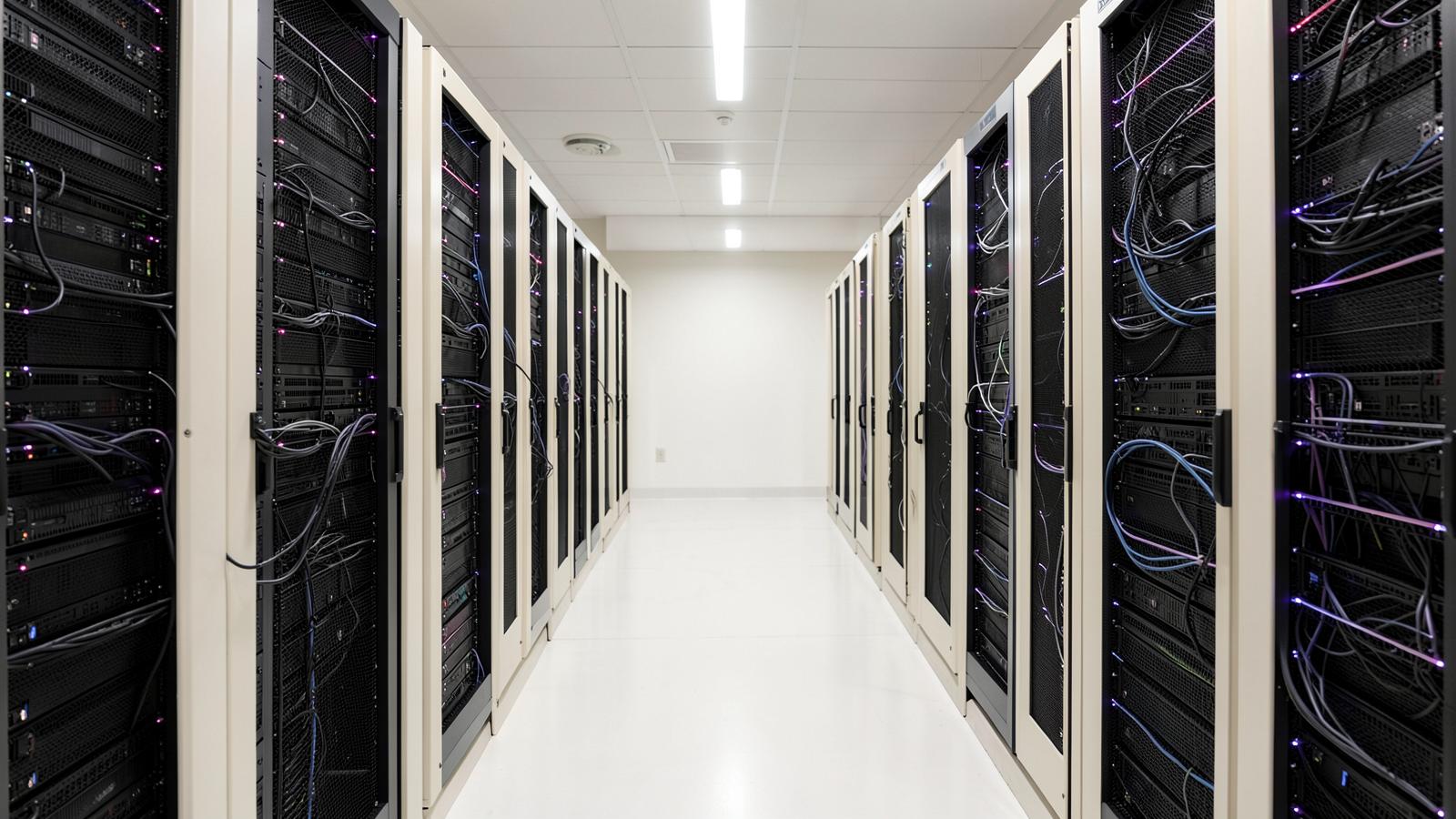
Environments you can reproduce from code, observe in real time and explain on an invoice.
Provisioning
Infrastructure is defined as code so environments can be rebuilt, reviewed and versioned like any other part of the system.
Operations
Logging, metrics and alerting are set up from the first deployment. Incidents are handled with runbooks rather than guesswork.
Cost
Resources are sized to actual load, with budgets and alerts in place so spend stays predictable as usage grows.

Systems integration and workflow automation
Let the tools you already own share one version of the truth.
Most organisations run on a patchwork of products that were never designed to cooperate. We connect them through well-defined APIs, message queues and scheduled jobs, and automate the hand-offs that people currently perform by hand.
- Inputs
- CRMs, ERPs, accounting, e-commerce, spreadsheets, email
- Methods
- REST and GraphQL APIs, webhooks, ETL jobs, event streams
- Outcomes
- Fewer manual steps, consistent records, auditable flows
User experience and interface design
Designed around the task at hand.
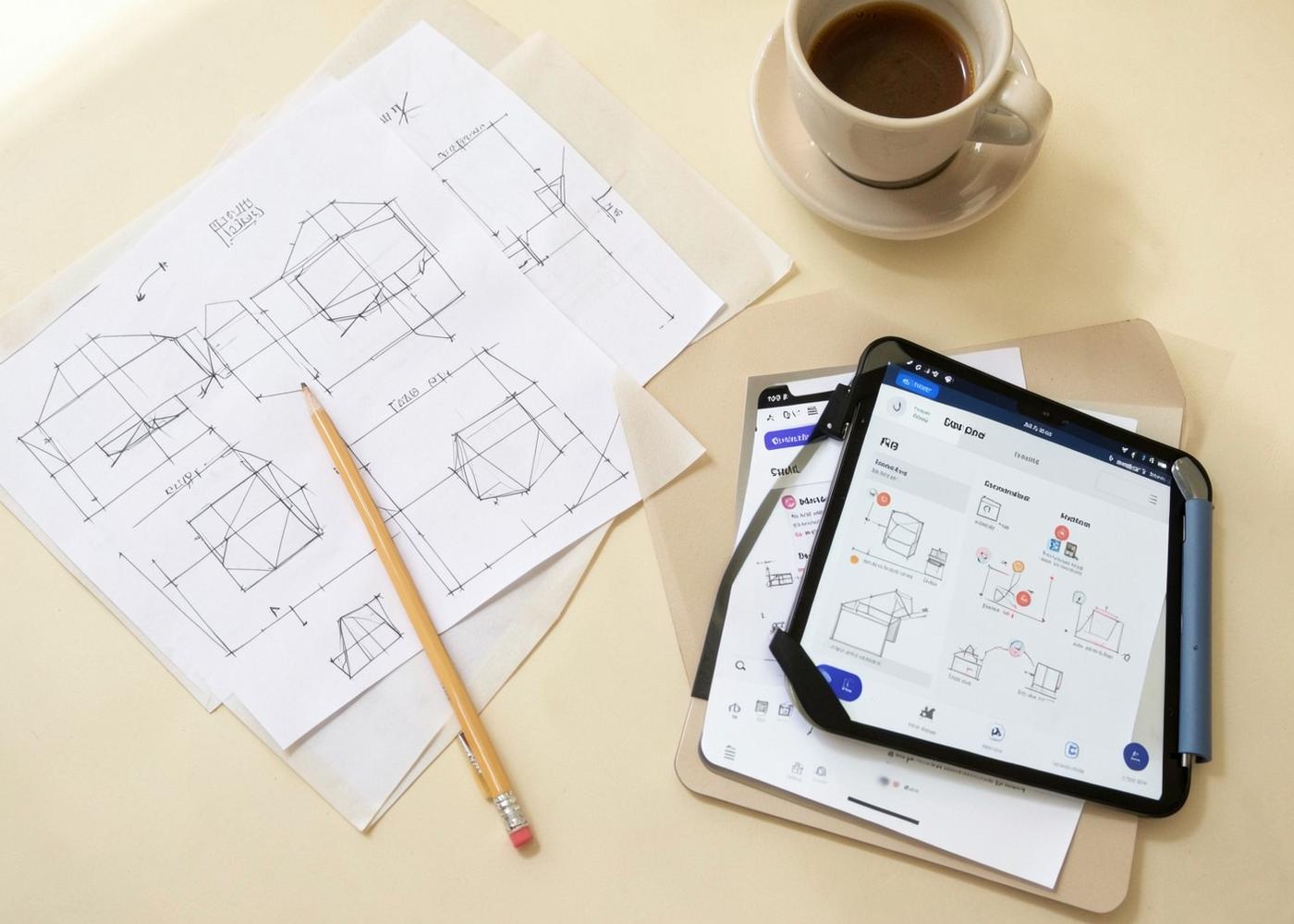
We map the jobs people need to complete, then design screens that make those jobs obvious. Interface systems are documented so new features look and behave consistently without repeated design effort.
Security and reliability
Careful by default.
We do not claim certifications we do not hold. What we do is apply established engineering practice consistently, and make our reasoning visible to clients.
- Least-privilege access to systems, data and cloud accounts
- Secrets kept out of source code and rotated on a schedule
- Dependencies monitored and updated as part of maintenance
- Encrypted data in transit and at rest wherever the platform allows
- Automated backups with restores actually tested
- Structured logging and alerting so failures are seen early
Delivery process
From discovery to ongoing support.
- 01
Discovery
We learn the domain, the people involved, current tooling and the constraints that shape the work. The output is a shared, written understanding of the problem.
- 02
Definition
Scope is broken into releasable increments. Architecture choices, interfaces and acceptance criteria are agreed before significant code is written.
- 03
Design
Flows, screens and data models are drafted and reviewed with the people who will use them. We adjust early while change is cheap.
- 04
Build
Engineering proceeds in short cycles with working software demonstrated at each step. Code review, automated tests and documentation are part of every cycle.
- 05
Release
Deployments are scripted and repeatable. Rollout plans, rollback paths and monitoring are prepared before launch day.
- 06
Support
After release we monitor behaviour, address issues, apply updates and plan further improvements with the client.

Collaboration and communication
Working in the open.
One shared backlog
Priorities, progress and decisions live in a single place that the client can see at any time.
Written first
Requirements, architecture choices and trade-offs are recorded so nothing depends on memory.
Regular demonstrations
Working software is shown at the end of each cycle; feedback shapes the next one.
Plain language
Technical options are explained in terms of business consequences, not jargon.
Quality assurance and maintenance
Software is finished when it is looked after.
Automated tests run on every change. Releases are verified in an environment that mirrors production. After launch we keep dependencies current, watch for regressions and report on system health at agreed intervals.
Testing
Unit, integration, end-to-end and manual exploratory testing
Maintenance
Updates, patches, monitoring, incident response, small improvements


Frequently asked questions
Straight answers.
- What kinds of organisations do you work with?
- We work with organisations that need software tailored to their operations: from replacing spreadsheets with a proper system, to building customer-facing web products, to integrating tools that currently do not talk to each other.
- Do you take on existing codebases?
- Yes. Many engagements begin with an assessment of an existing system. We document what we find, prioritise risks and propose a path that balances stabilisation with new development.
- How is scope and cost agreed?
- Scope is defined in writing after discovery, then divided into increments with clear acceptance criteria. Commercial terms are agreed per engagement and confirmed before work begins.
- Who owns the code and the infrastructure?
- Clients own the source code, documentation and cloud accounts created for their project. We set up repositories and environments under the client's control from the start.
- Which technologies do you use?
- We select technologies to fit the problem, the client's existing environment and the team that will maintain the system. Preferences are discussed openly during definition rather than assumed.
- What happens after launch?
- Maintenance and support are offered as an ongoing arrangement covering monitoring, dependency updates, fixes and planned improvements, with regular reporting.
Company and contact information
HORSE MEAT DISCO LTD
- louisegreen198283@gmail.com
- Website
- horsemeatdiscohouse.com
- Enquiries
- Write to the address above with a short description of your project, its goals and any technical constraints. We reply by email.